Showing posts with label Saccharomyces Cerevisiae. Show all posts

Thursday, March 18, 2021

Great news! Ubigene welcomes another new scientist --- Dr. Leo Luo


Recently, Dr. Leo Luo joined Ubigene. From 2011 to 2020, Dr. Luo successively completed his Master and PhD degrees in Chinese Academy of Sciences, Guangzhou Institutes of Biomedicine and Health (GIBH), and postdoctoral training in Joint School of Life Sciences, Guangzhou Medical University and Guangzhou Institutes of Biomedicine and Health, Chinese Academy of Sciences. During this period, Dr. Luos research interests mainly focus on pluripotency regulation mechanism of pluripotent stem cells (PSCs) and its application. He has many years of study experience in stem cell related molecular biology, cell biology, such as the application of genome editing in pluripotent stem cells, molecular mechanisms of somatic cell reprogramming, lineage-specific differentiation of PSCs for disease modeling, etc. The results of his participated researches are published in NATURE CELL BIOLOGY, Stem Cell Reports, CELL RESEARCH and other high-level scientific journals.

Ubigene has been accelerating her plan of the pre-clinical scientific research of stem cell gene editing technology, antibody drug development, and the development and application of gene therapeutic technology for genetic, cancer and other diseases. With the joining of Dr. Luo, Ubigene will accelerate the pace and strive to break through the bottleneck of this field, and act as a practitioner and assistant in drug R & D, pre-clinical research.

Ubigene independently developed CRISPR-Uand CRISPR-Btechnology, which can improve the efficiency of traditional gene-editing approach by 10~30 times, and is a breakthrough patent technology for gene editing in vitro and in vivo. Looking ahead of the globe, Ubigene spreads our leading technology to the world from China, and has already delivered high-quality products and services to customers from more than 20 countries and 100 regions around the world.


Wednesday, February 3, 2021

H1299 cell, an ideal route for cancer mutation CRISPR therapy research|Ubigene


Lung cancer is the leading cause of cancer-related deaths worldwide, with a 5-year survival of approximately 6%. Around 80% of these are of non-small-cell (NSCLC) histological type for which surgical resection or radical chemoradiotherapy offers the best prospect of cure. Many lung cancer patients are resistant to current treatments, including chemotherapy and radiotherapy. The vast majority of cases however are diagnosed at an advanced stage, and therapy options are limited. Despite progress in research on lung cancer, targeted therapeutics, and clinical management, many knowledge gaps remain to be closed. Due to lung cancer's genetic and phenotypic diversity, individualization of therapy is becoming a reality; thus, this tumor entity is likely to further trigger future precision medicine development.

Nonsmall cell lung cancer (NSCLC) model cell line, H1299 is widely used in a variety of basic cell biology and biomedical studies involving lung cancer proliferation, corresponding inhibitors studies, tumor formation, and metastases. The researcher uses H1299 cell line as a disease model to understand the basic biology of the disease, to understand how mutations affect drug response or resistance, to understanding the mechanisms underlying differences in drug responsiveness, target identification, and validation as well as even to stratify patients for more efficient and effective clinical trials. Gene editing technologies are rapidly advancing as a realistic therapeutic option. The ability to strategically edit a patient’s genome can constitute a treatment revolution. Genome editing technologies have huge potential in lung cancer treatment including targeting oncogenes and tumor-suppressor genes, genes related to chemotherapy drug resistance, and genes related to therapies using targeted drugs and inhibitors to promote further preclinical research and the clinical treatment of lung cancer.

H1299 cell line (NCI-H1299 or CRL-5803) was established from the lung cells of a 43-year-old Caucasian male patient with non-small cell lung cancer and is widely used in biomedical research. An immortalized cell line, H1299 can divide indefinitely and the unique feature of this cell line is the lack of expression of the P53 protein, which is accounts for their proliferative propensity. This cell line (H1299) has been reported to secrete the peptide hormone neuromedin B(NMB), but not gastrin-releasing peptide (GRP) and are useful for studying lung cancer in humans. An earlier study reported that the H1299 cell line used to study genes related to sensitization and drug resistance to lung cancer chemotherapeutics such as paclitaxel, providing a theoretical basis for improving the therapeutic efficacy of chemotherapy in lung cancer. 

 Application:

Below are some applications of H1299:

1.Targeted therapy: Anti-angiogenetic drugs, Drugs targeting cell signaling, biologic mechanism, toxicity profile, Other biologic agents (vandetanib, sorafenib, etc.).

2. Drug developments: PI3K inhibitors, MEK inhibitors, EGFR inhibitors, etc.

3.  Molecular genetics: Exploitation of the genomic aberrations, somatic genetic alterations, oncogenic activation of particular tyrosine kinases.

4.  Epigenetics: Mutations in epigenetic regulators, epigenetic therapy, etc.

CRISPR-U™ gene editing in H1299 cell line

Genome editing and the creation of cellular models can advance research programs in the area of functional genomics, signaling pathways, metabolism, cell death, drug discovery, drug response, and cancer research, etc. The CRISPR system is a precise genome editing technique, which can create gene knockout or knock-in genome manipulations through the substitution of a target genetic sequence with a desired donor sequence. H1299  is a model human lung adenocarcinoma cell line, used for lung cancer study mainly drug discovery, disease mechanisms, initiation, progression, and therapeutics. CRISPR-system mediated edited H1299 cell lines allow investigators to study cancer hallmarks, disclosure of drug resistance mechanism, cancer therapeutics, cell death research, functional genomics, signaling pathways, drug discovery, drug response, and cell therapy. CRISPR/Cas9 technology positively fuel the advancement of in vivo and in vitro gene editing in lung cancer and have an immense impact on molecular medicine. Besides, knockout of the RSF1 gene in combination with paclitaxel resulted in the cell-cycle arrest in G1, increased apoptosis, and reduced cell migration and proliferation. Also, Knocking out NESTIN in H1299 cells can promote apoptosis, inhibit proliferation and colony formation, and suppress cell invasion by inhibiting epithelial-to-mesenchymal transition (EMT). Ubigene developed CRISPR-U™ for gene manipulation of the H1299 cell line. Thereby, possible to achieve genome-edited cells with the utilization of the CRISPR/Cas9 system. Ubigene can customize the gene-editing in eukaryotic cells as well as can generate various genes modification in animal models.
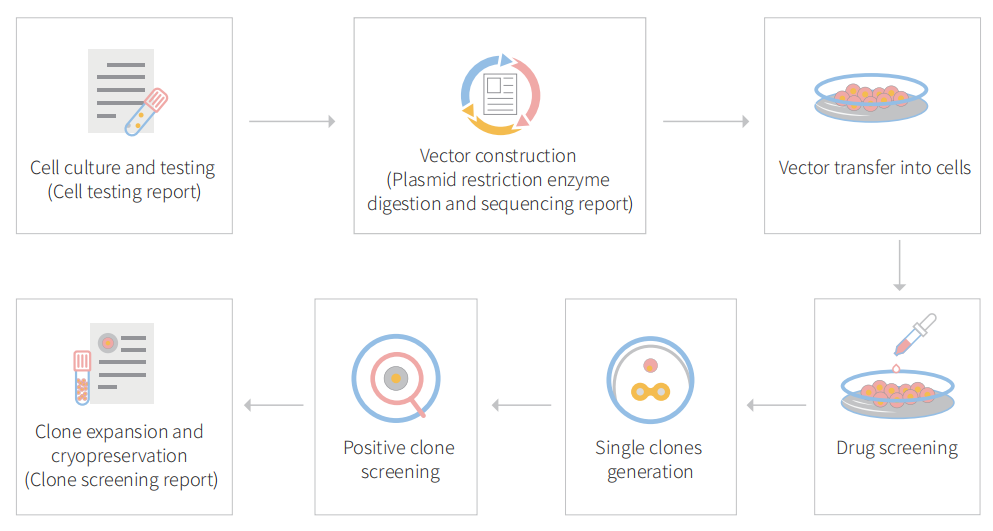
Figure: CRISPR-U™ customized workflow for engineered H1299 model cells

 Case study :

BCAR1 knockout cell line reveals that BCAR1 promotes proliferation and cell growth in lung adenocarcinoma via upregulation of POLR2A

Breast cancer antiestrogen resistance protein 1 (BCAR1; Crk‐associated substrate, CAS; p130cas) directly interact with the multiple protein motifs of various phosphatases and kinases, and to mediate Src through FAK bridge indirect association. BCAR1 has been reported to enhance tumor proliferation, invasion, and metastasis in several cancers (prostate cancer, endometrial adenocarcinoma, oral squamous cell carcinoma, breast cancer, and lung cancer). it also predicts poorer prognosis in lung adenocarcinoma cases. 


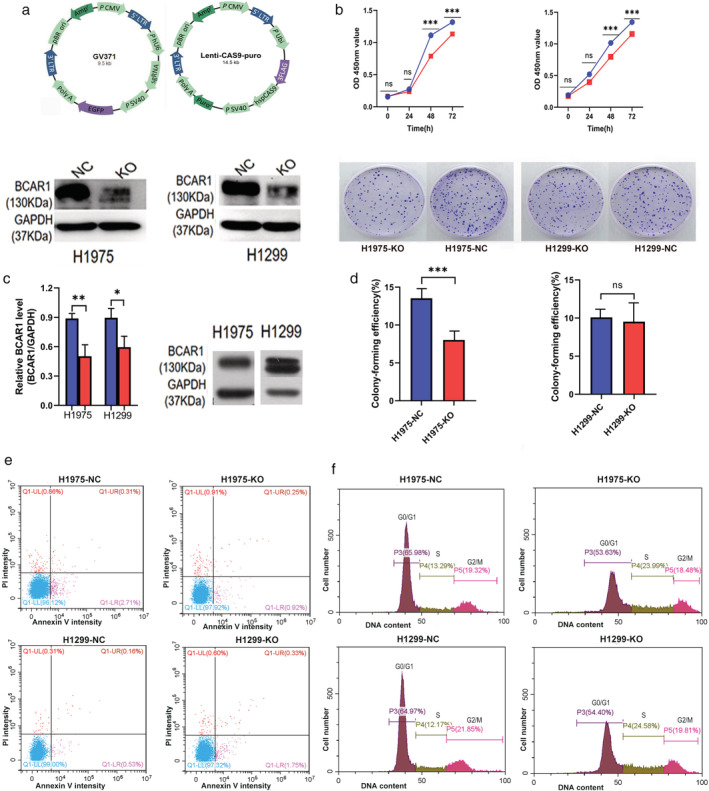
In this study, the researcher explores the role of BCAR1 in proliferation and cell growth in lung adenocarcinoma and the networks of proteins that interact with BCAR1 to trigger the proliferation of lung cancer cells. They used to lung adenocarcinoma cell line (NCl-H1975 and NCl-H1299) and established BCAR1 knockout cell line by CRISPR/Cas9 system as well as performed KO cell line for cell proliferation, colony formation, apoptosis, and cell cycle assay (Fig.1) They found that BCAR1 expression in the KO group was significantly lower than that of control as well as proliferation was significantly inhibited (Fig.1 b,c). Colony‐formation efficiency of H1975 cells was significantly decreased but no significant difference between BCAR‐KO and NC in H1299 cells (Fig.1d). Apoptosis or cell cycle progression analysis revealed that no difference in apoptosis and cell cycle of H1975 and H1299 cells following BCARKO (Fig.1 e,f). 

Figure 1: Cell proliferation, colony formation, apoptosis, and cell cycles of H1975 and H1299 cell after BCAR1 knockout


They overexpressed BCAR1 in 293T cell lines and performed immune precipitation-mass spectrometric (IP-MS) as well as different downstream analysis. The IP-MS and bioinformatic analysis predict potential interactions with BCAR1 (Fig. 2). Bioinformatic analysis revealed potential BCAR1 interact proteins and interaction partners catalytic activity and transferase activity (Fig.2a,b). The Cancer Genome Atlas (TCGA) database verification confirms BCAR1 overexpression correlates with cancer (Fig.2c). They analyze cancer-related interacting partner PPI analysis and found that high expression of POLR2A, MAPK3, MOV10, and XAB2 predicted poor prognosis in lung adenocarcinoma (Fig.2d). They consider POLR2A for further verification due to the link with more genes and the possibility of involvement in the signaling cascade.


Figure-2: Bioinformatic analysis of BCAR1 overexpressed in 293cell line


POLR2A and BCAR1 were significantly increased in lung adenocarcinoma tissues compared to adjacent normal tissues (Fig.3a). IHC‐stained TMA is shown in Fig 3b, demonstrate that BCAR1 was expressed in the nucleus, in the cytoplasm, or both locations (Fig.3c). However, POLR2A was highly expressed in the nucleus. POLR2A expression was significantly positively correlated to BCAR1 expression (R = 0.476, P < 0.001). Neither BCAR1 nor POLR2A expression was correlated with tumor size. High expression of either BCAR1 or POLR2A predicted poor prognosis in 54 lung cancer cases in the early-stage (Fig. 3d). They further verified POLR2A in H1975, and H1299 cell KO clone and western blot analysis demonstrated that POLR2A was significantly decreased in BCAR1‐KO compared to NC cells (Fig.3e). BCAR1 regulates POLR2A in H1975 and H1299 cells, despite the negative results of the CO‐IP (Fig.3f).
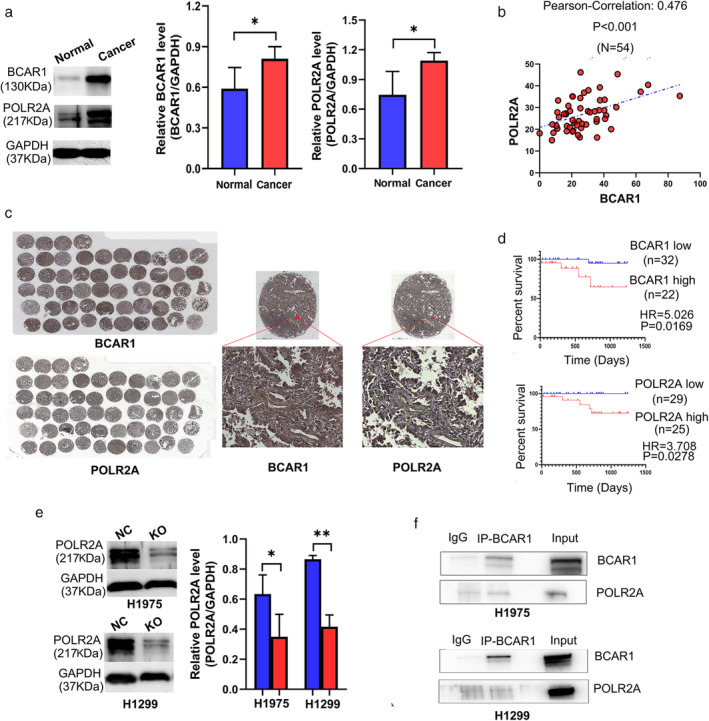

Figure-3: The relationship between BCAR1 and POLR2A as well as their prognostic significance in lung adenocarcinoma.


In summary, the researcher did not find a direct interaction between BCAR1 and POLR2A in H1975 and H1299 cells. The underlying mechanism of how BCAR1 and POLR2A are connected remains unclear. Moreover, synergism analysis is needed to demonstrate the role of interaction between BCAR1 and its partners concerning proliferation and cell growth in lung cancer. Future robust studies are required to resolve the interesting abovementioned points. 

 

Monday, November 30, 2020


Saccharomyces Cerevisiae Knockout Cell line | CRISPR


Saccharomyces cerevisiae is a species of yeast. It has been instrumental to winemaking, baking, and brewing since ancient times. It is believed to have been originally isolated from the skin of grapes (one can see the yeast as a component of the thin white film on the skins of some dark-colored fruits such as plums; it exists among the waxes of the cuticle). It is one of the most intensively studied eukaryotic model organisms in molecular and cell biology, much like Escherichia coli as the model bacterium. It is the microorganism behind the most common type of fermentation.


Phosphoglycerate mutase knock-out mutant Saccharomyces cerevisiae: physiological investigation and transcriptome analysis


The yeast Saccharomyces cerevisiae is able to adapt its metabolism to grow on different carbon sources and to shift to non-fermentative growth on C2 or C3 carbon sources (ethanol, acetate, or glycerol) through the activation of gluconeogenesis. Researcher studied the response to the deletion of the glycolytic and gluconeogenic gene GPM1, encoding for phosphoglycerate mutase. It was previously shown that a S. cerevisiae strain with non-functional copies of GPM1 can only grow when glycerol and ethanol are both present as carbon sources, whilst addition of glucose was shown to strongly inhibit growth. It was suggested that glycerol is needed to feed gluconeogenesis whilst ethanol is required for respiration. Researcher studied the physiological response of the GPM1 knock-out mutant through fermentation and transcriptome analysis. Furthermore, researcher compared the physiological results with those obtained through simulations using a genome-scale metabolic model, showing that glycerol is only needed in small amounts for growth. Our findings strongly suggest a severely impaired growth ability of the knock-out mutant, which presents increased transcript levels of genes involved in the pentose phosphate pathway and in the glyoxylate shunt. These results indicate an attempt to compensate for the energy imbalance caused by the deletion of the glycolytic/gluconeogenic gene within the mutant.


Reducing phenolic off-flavors through CRISPR-based gene editing of the FDC1 gene in Saccharomyces cerevisiae x Saccharomyces eubayanus hybrid lager beer yeasts


Today’s beer market is challenged by a decreasing consumption of traditional beer styles and an increasing consumption of specialty beers. In particular, lager-type beers (pilsner), characterized by their refreshing and unique aroma and taste, yet very uniform, struggle with their sales. The development of novel variants of the common lager yeast, the inter-specific hybrid Saccharomyces pastorianus, has been proposed as a possible solution to address the need of product diversification in lager beers. Previous efforts to generate new lager yeasts through hybridization of the ancestral parental species (S. cerevisiae and S. eubayanus) yielded strains with an aromatic profile distinct from the natural biodi-versity. Unfortunately, next to the desired properties, these novel yeasts also inherited unwanted characteristics. Most notably is their phenolic off-flavor (POF) production, which hampers their direct application in the industrial production processes. Researchers describe a CRISPR-based gene editing strategy that allows the systematic and meticulous intro-duction of a natural occurring mutation in the FDC1 gene of genetically complex industrial S. cerevisiae strains, S. eubayanus yeasts and interspecific hybrids. The resulting cis-genic POF- variants show great potential for industrial application and diversifying the cur-rent lager beer portfolio.


A CRISPR/Cas9-based exploration into the elusive mechanism for lactate export in Saccharomyces cerevisiae.


CRISPR/Cas9-based genome editing allows rapid, simultaneous modification of multiple genetic loci in Saccharomyces cerevisiae. This technique was used in a functional analysis study aimed at identifying the hitherto unknown mechanism of lactate export in this yeast. First, an S. cerevisiae strain was constructed with deletions in 25 genes encoding transport proteins, including the complete aqua(glycero)porin family and all known carboxylic acid transporters. The 25-deletion strain was then transformed with an expression cassette for Lactobacillus casei lactate dehydrogenase (LcLDH). In anaerobic, glucose-grown batch cultures this strain exhibited a lower specific growth rate (0.15 vs. 0.25 h−1) and biomass-specific lactate production rate (0.7 vs. 2.4 mmol g biomass−1 h−1) than an LcLDH-expressing reference strain. However, a comparison of the two strains in anaerobic glucose-limited chemostat cultures (dilution rate 0.10 h−1) showed identical lactate production rates. These results indicate that, although deletion of the 25 transporter genes affected the maximum specific growth rate, it did not impact lactate export rates when analysed at a fixed specific growth rate. The 25-deletion strain provides a first step towards a ‘minimal transportome’ yeast platform, which can be applied for functional analysis of specific (heterologous) transport proteins as well as for evaluation of metabolic engineering strategies.

The efficiency of gene knock-out and cleavage can not only give people the ability to generate protein radical profiles and establish regulatory records, but also has many advantages, making it a particularly attractive recombinant protein expression system. First, it is carboxylated on glutamic acid and sulfated on tyrosine. Second, the operation is simple, and the recombinant protein can be quickly produced through transient gene expression. Third, it can be used for stable recombinant protein production. Some researchers used gene cell knockout and cutting efficiency systems to generate gene-edited cell lines, targeted sequencing of GLUL genomic loci, produced stable cell lines, and discovered the mechanism of stable expression of recombinant erythropoietin in humans .


According to customer needs, Yuanjing Biotechnology designs a stable gene transfer knockout program based on the target gene.


Scheme 1: Small-segment gene knockout program, gRNA is set in the introns at both ends of exon 2, and the number of bases encoded by the knockout exon is not 3 times, and the knockout can cause frameshift.
Scheme 2: Frameshift gene knockout scheme, gRNA is set on the exon, the number of missing bases is not 3 times, and frameshift mutation can occur after knockout.
Scheme 3: Large-segment gene knockout scheme, knock out the coding sequence of the entire gene to achieve the effect of large-segment knockout.


Reference

Papini M , Nookaew I , Scalcinati G , et al. Phosphoglycerate mutase knock-out mutant Saccharomyces cerevisiae: Physiological investigation and transcriptome analysis[J]. Biotechnology Journal, 2010, 5(10):1016-1027.

Mertens S , Gallone B , Steensels J , et al. Reducing phenolic off-flavors through CRISPR-based gene editing of the FDC1 gene in Saccharomyces cerevisiae x Saccharomyces eubayanus hybrid lager beer yeasts[J]. Plos One, 2019, 14(1).

Robert, Mans, Else-Jasmijn, et al. A CRISPR/Cas9-based exploration into the elusive mechanism for lactate export in Saccharomyces cerevisiae.[J]. FEMS yeast research, 2017.


Ubigene Biosciences is co-founded by biological academics and elites from China, the United States, and France. We are located in Guangzhou Science City, which serves as a global center for high technology and innovation. Ubigene Biosciences has 1000㎡ office areas and laboratories, involving genome editing, cell biology technology, and zebrafish research. We provide products and services for plasmids, viruses, cells, and zebrafish. We aim to provide customers with better gene-editing tools for cell or animal research.

We developed CRISPR-U™ and CRISPR-B™(based on CRISPR/Cas9 technology) which is more efficient than general CRISPR/Cas9 in double-strand breaking, CRISPR-U™ and CRISPR-B™ can greatly improve the efficiency of homologous recombination, easily achieve knockout (KO), point mutation (PM) and knockin (KI) in vitro and in vivo. 

Genome Editing Platform
——Focusing on the Application of CRISPR-U™ and CRISPR-B™ Gene Editing Technology
1. Provides various types of gene-editing vectors for different species.
2. Provides different virus packaging services, including lentiviruses, adenoviruses and adeno-associated viruses.3. Provides high-quality services for gene knockout, point mutation and knockin cell lines

Cell Biology Platform
——Focusing on primary cell
1. Provides over 400 types of primary cells.
2. Provides culture strategies and related products for different cell types.3. Provides cell biology-related services such as cell isolation, extraction and validation.

    [Research highlight] Enhancing p53 pathway can efficiently suppress colon cancer

      Colorectal cancer is the third most diagnosed cancer and leads to the second mortality among cancers worldwide. The first-line chemotherap...