Tuesday, May 19, 2020

Quick Review CRISPR v.s. RNA


Ubigene Biosciences is co-founded by biological academics and elites from China, the United States, and France. We are located in Guangzhou Science City, which serves as a global center for high technology and innovation. Ubigene Biosciences has 1000㎡ office areas and laboratories, involving genome editing, cell biology technology, and zebrafish research. We provide products and services for plasmids, viruses, cells, and zebrafish. We aim to provide customers with better gene-editing tools for cell or animal research.

Make genome editing easier is the goal of Ubigene. We developed CRISPR-U™ (based on CRISPR/Cas9 technology) which is more efficient than general CRISPR/Cas9 in double-strand breaking, and CRISPR-U™ can greatly improve the efficiency of homologous recombination, easily achieve knockout (KO), point mutation (PM) and knockin (KI) in vitro and in vivo. With CRISPR-U™, Ubigene has successfully edit genes on more than 100 cell lines.

Ubigene developed CRISPR-B™  which optimizes the microbial gene-editing vectors and process. The efficiency and accuracy are much higher than traditional methods. CRISPR-B™ can be used in gene editing of bacteria and fungi. Easily achieve microbial gene knockout (KO), point mutation (PM) and knockin (KI).

Ubigene has more than 400 types of primary cells, including epithelial cells, endothelial cells, smooth muscle cells and fibroblasts from different species, such as human, rat, and mouse. We can provide a validation report for each primary cell. Our primary cells have been widely used in many research institutes and pharmaceutical enterprises.

Leap into Efficient Gene-editing Cell Lines


Ubigene Biosciences is co-founded by biological academics and elites from China, the United States, and France. We are located in Guangzhou Science City, which serves as a global center for high technology and innovation. Ubigene Biosciences has 1000㎡ office areas and laboratories, involving genome editing, cell biology technology, and zebrafish research. We provide products and services for plasmids, viruses, cells, and zebrafish. We aim to provide customers with better gene-editing tools for cell or animal research.

Make genome editing easier is the goal of Ubigene. We developed CRISPR-U™ (based on CRISPR/Cas9 technology) which is more efficient than general CRISPR/Cas9 in double-strand breaking, and CRISPR-U™ can greatly improve the efficiency of homologous recombination, easily achieve knockout (KO), point mutation (PM) and knockin (KI) in vitro and in vivo. With CRISPR-U™, Ubigene has successfully edit genes on more than 100 cell lines.

Ubigene developed CRISPR-B™  which optimizes the microbial gene-editing vectors and process. The efficiency and accuracy are much higher than traditional methods. CRISPR-B™ can be used in gene editing of bacteria and fungi. Easily achieve microbial gene knockout (KO), point mutation (PM) and knockin (KI).

Ubigene has more than 400 types of primary cells, including epithelial cells, endothelial cells, smooth muscle cells and fibroblasts from different species, such as human, rat, and mouse. We can provide a validation report for each primary cell. Our primary cells have been widely used in many research institutes and pharmaceutical enterprises.

Wednesday, May 13, 2020

Gene-editing Cell UFC Winner: CRISPR-U™

Gene-editing Cell UFC Winner: CRISPR-U™!
CRISPR-U™(based on CRISPR/Cas9 technology), developed by Ubigene, is more efficient than general CRISPR/Cas9 in double-strand breaking, and CRISPR-U™ can greatly improve the efficiency of homologous recombination, easily achieve knockout (KO), point mutation (PM) and knockin (KI) in vitro and in vivo. With CRISPR-U™, Ubigene has successfully edit genes on more than 100 cell lines!Subscribe us and stay tuned for a more interesting comic about gene-editing!


The peak of a researcher's life


The peak of a researcher's life! #Ubigene developed #CRISPR-B™ which optimizes the microbial gene-editing vectors and process. The efficiency and accuracy are much higher than traditional methods. CRISPR-B™ can be used in gene editing of bacteria and fungi. Easily achieve microbial #geneknockout (KO), #pointmutation (PM) and #knockin (KI). Follow us for more fun comic about #crispr!

Sunday, April 19, 2020

How our immune system cures COVID-19


Tuesday, March 10, 2020

circRNA was studied by CRISPR knockout cell lines.


CRISPR/Cas9 Mediated circRNA Knockout, Reveals Its Roles in Gene Regulation

circRNAs are circular noncoding RNAs formed by reverse splicing of pre-mRNAs. circRNAs were firstly found in viruses in the 1970s. However, due to the extensive use of the method for enrichment of poly (A) (no 5 'and 3' ends of circRNA) in the early RNA library preparation, and the calculation algorithm that RNA-seq reading requires linear alignment with genome, a large number of circRNA information was omitted, which led to the belief that circRNA is just a byproduct of miss splicing.

With the development of high-throughput sequencing technology and bioinformatics, thousands of circRNA have been found, and more and more basic researches related to circRNA have been done. A large number of studies have shown that circRNA is endogenetic, abundant, conservative and stable in mammalian cells, and often shows tissue or space-time specificity. It can participate in the regulation of cell growth and development, as well as the occurrence and development of diseases through a variety of mechanisms. Therefore, in recent years, circRNA has become popular in the field of non-coding RNA research.

Relationships between circRNAs and diseases

At present, the most studied is the relationship between circRNAs and tumors. Some circRNAs promote tumor formation, such as circPvt1 in squamous cell carcinomas of the head and neck, cirs-7 (CDr1as) in colorectal cancer, esophageal squamous cell carcinoma and hepatocellular carcinoma. Some circRNAs suppress tumors, such as circsMARCA5 and circ-SHPRH in glioblastoma. Some circRNAs may play different roles in different tissues or cells, such as circHiPK3, which is a proto-oncogene in rectal cancer, but suppresses cancer cells in bladder cancer.

In addition to cancers, circRNA has been found to be closely related to diabetes, cardiovascular disease, chronic inflammation and nervous system diseases. It is believed that with the development of biotechnology and more in-depth researches on circRNA, the formations and mechanisms of circRNAs can be identified. circRNAs can play important roles in disease prevention, diagnosis and treatment discovery.

The engineering and regulation of circRNA help disease studies and treatment discoveries

circRNA involves many complex functions, so how to study its functions? Similar to protein-coding genes, the most common methods are knockout, knockdown (RNA interference) or overexpression of the circRNA.

CRISPR/Cas9 mediated circRNA knockout, reveals the mechanism of its regulation on tumor formation

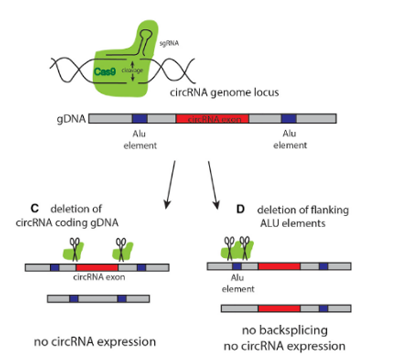
circRNA knockout refers to editing at the level of DNA to achieve the purpose of a complete knockout. The most commonly used method is to design two gRNAs at both ends of the circRNA exon to knockout the whole cyclized exon sequence. Although this strategy can knockout the circRNA, it will also affect the parent gene encoding the protein, and the study on its function is not ideal.

More and more researchers have given up using this strategy to knockout the circRNA because of its great influence on the parent gene. The ideal method is to knockout the loop forming elements (Alu) in the flanking intron of the exon, so as to destroy the circRNA loop forming without affecting the expression of the coding gene. However, it is difficult for many researchers to master the logic of designing the targeting strategy.

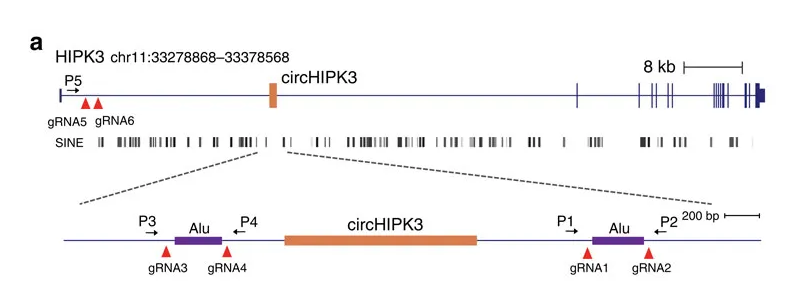
Taking circ-HIPK3 as an example, circ-HIPK3 is a kind of circRNA rich in human cells, which can combine with a variety of miRNAs as a regulator of cell growth and affect the formation of tumors. In order to verify how circ-HIPK3 forms into circle, it is necessary to find the loop forming elements in flanking intron. A pair of sgRNA is designed for the two Alu elements predicted at upstream and downstream respectively. The predicted loop forming elements are knockout by CRISPR/Cas9 system to detect whether the expression of circRNA changes. After PCR and RT-qPCR verification, it was found that the expression of circ-HIPK3 was significantly down-regulated after knockout of downstream loop forming elements, while the expression of circ-HIPK3 was not decreased but increased after knockout of upstream loop forming elements. It was speculated that there were too many loop forming elements in the upstream and the prediction was not accurate. In order to further verify the RNA circulation driven by other elements, the large fragment of intron in the upstream of the element was knockout by co-injection of gRNA3 or gRNA4 with gRNA5 or gRNA6. RT-qPCR results showed that the expression of circ-HIPK3 decreased, indicating that other loop forming elements of circ-HIPK3 exist.

Ubigene is experienced in designing strategy of knockout the loop forming elements in the flanking intron of circRNA exon, to achieve the purpose of knockout circRNA without affecting the expression of coding gene. Combined with CRISPR-UTM technology, the positive clones of circRNA knockout can be generated 10x faster than other common methods.

Knockdown specific circRNA and disclose its regulatory mechanism on cell proliferation and apoptosis

Among the methods to study the function of circRNA, the most classical way to inhibit circRNA is to knockdown it by RNAi (shRNA or siRNA). In order to avoid affecting mRNAs of coding genes, the shRNA should be designed at the back splicing site (BSS). siRNA was used to interfere with circ-HIPK3, and whether the knockdown of circ-HIPK3 would affect cell proliferation or apoptosis was observed. First, three groups of experiments targeting the linear transcript of HIPK3 mRNA, circ-HIPK3 circular transcript and both two transcripts. The designed siRNA interfered with the corresponding transcripts was verified on HEK-293T cell line. Cell proliferation and apoptosis were detected by CCK-8 and EdU assays. The results showed that the knockdown circ-HIPK3 significantly inhibited cell proliferation.

Ubigene can design high-score shRNA and use lentivirus to transfer the RNA interference vector into the cells. Cells were screened according to the drug screening, and the stable cell lines with circRNA knockdown were obtained.

Overexpression of circRNA reveal its loop-forming mechanism

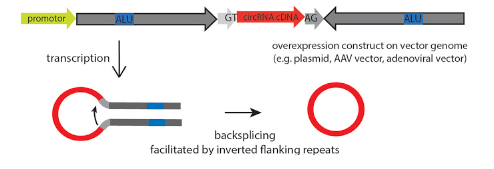
Overexpression of circRNA is not easy because of its low efficiency of loop forming, and it is easy to mismatch. By optimizing the binding sites of RBP, such as Alu elements and QKI, the circRNA can be formed accurately and efficiently. After overexpression, it is necessary to detect successful loop-forming and linear mRNA expression. In order to study the loop-forming efficiency of a new circRNA expression system, the mouse circrtn4 gene was selected to express in a variety of cell lines (including HeLa, N2a, HEK293). According to the RT-qPCR results in different cell lines, the efficiency of the new vector system pCircRNA-DMo-Rtn4 is much higher than that of the common vector system (pCircRNA-BE-Rtn4) in these cell lines.

CRISPR-U™ high-efficiency gene editing system

Ubigene focuses on genome editing, CRISPR-U™ is a gene-editing technology developed by Ubigene, which is more efficient than common CRISPR/Cas9 technologies in gene targeting. The services related to circRNA editing introduced in this paper can be provided by Ubigene, including knockout, interference, overexpression and circRNA expression testing.

Check out our list of cell lines that we had successfully modified


References:
[1] Kristensen, L. S., Andersen, M. S., Stagsted, L. V., Ebbesen, K. K., Hansen, T. B., & Kjems, J. (2019). The biogenesis, biology and characterization of circular RNAs. Nature Reviews Genetics, 20(11), 675-691.
[2] Santer, L., Bär, C., & Thum, T. (2019). Circular RNAs, a novel class of functional RNA molecules with therapeutic perspective. Molecular Therapy.
[3] Zheng, Q., Bao, C., Guo, W., Li, S., Chen, J., Chen, B., ... & Liang, L. (2016). Circular RNA profiling reveals an abundant circHIPK3 that regulates cell growth by sponging multiple miRNAs. Nature communications, 7(1), 1-13.

Wednesday, March 4, 2020

The combination of iPSC and CRISPR/Cas9 opens a new window for diseases research

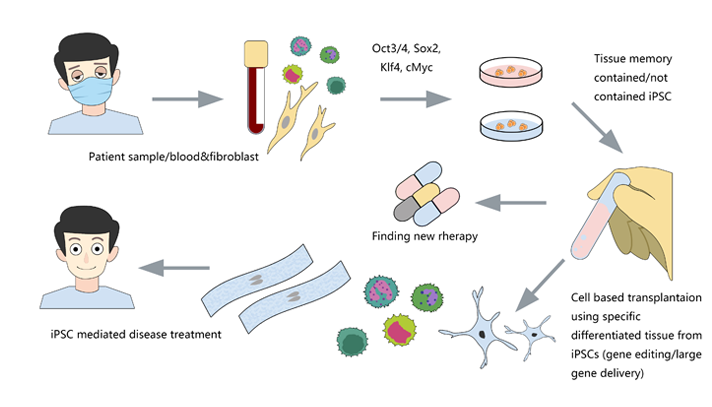
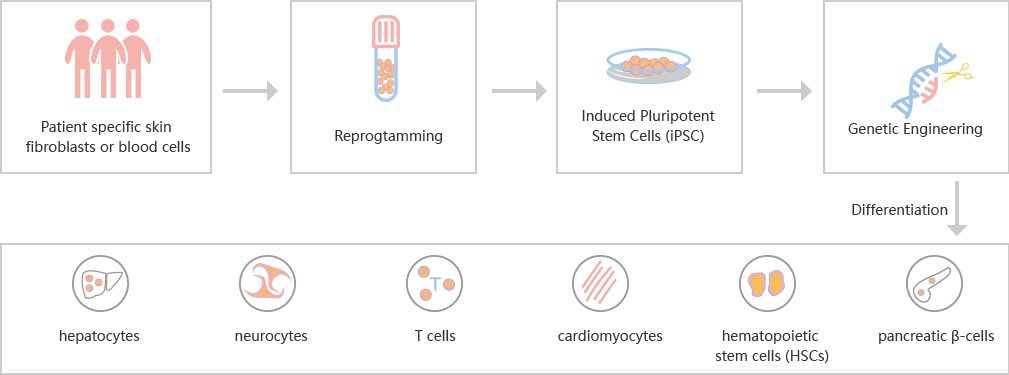
Many serious diseases cannot be cured by medicines, such as heart failure, Late Stage Diabetes, hemophilia, myeloma, End-Stage Cirrhosis, etc. The best method is allogeneic transplantation. However, due to the limited donors and the risk of immune rejection, researchers are dedicated to finding more efficient and safer treatment besides allogeneic transplantation. Induced pluripotent stem cells (iPSCs) can be derived from the body cells of the patients themselves, which eliminates the risk of immune rejection, and has the potential of differentiation into different cells. Transplantation of cells derived from iPSC, such as cardiomyocytes, hepatocytes, neurocytes, T cells, hematopoietic stem cells (HSCs) and islet cells, is possible to solve many medical problems. By CRISPR/Cas9 technology, the mutations that simulating diseases could be introduced into iPSC. Using CRISPR/Cas9 to repair the mutations in iPSC disease models is also a popular application.

CRISPR/Cas9 gene editing in iPSC opens a new window for diseases research

The success rate of gene editing in human iPSC is lower because, unlike tumor cell lines, iPSC does not have the characteristics of chromosomal abnormality and strong ability of DNA repair. CRISPR/Cas9 has the advantages of high efficiency, easy to construct and low toxicity in human cells, so it is the most common method in iPSC genome editing.

CRISPR/Cas9 mediated RAG2 gene knockout in iPSC, generates CD8αβ - T cells with stable antigen specificity

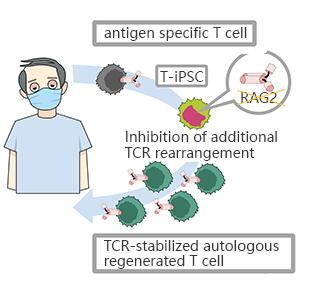
The limited T cells and the difficulty of proliferation is the main obstacle of T-cell immunotherapy, which can be overcome by using pluripotent stem cells with proliferation and differentiation ability to generate T-iPSC with antigen specificity. Strict antigen specificity is essential for safe and effective T-cell immunotherapy. However, in the process of double-positive CD4/CD8differentiation, the rearrangement of the T-cell receptor (TCR) α chain will lose antigen specificity. This TCR rearrangement was prevented by removing the recombinant enzyme gene (RAG2) in T-iPSCs with CRISPR/Cas9.  Xenotransplantation of CD8αβ-T cells with stable TCR can effectively inhibit tumor growth in disease models. This contributes to a safe and effective T-cell immunotherapy.(Minagawa, Atsutaka, et al.)

CRISPR-UTMcan efficiently transfer gRNA and Cas9 into iPSC by nucleofection. After drug screening, single clones would be generated. Positive clones would be validated by sequencing.


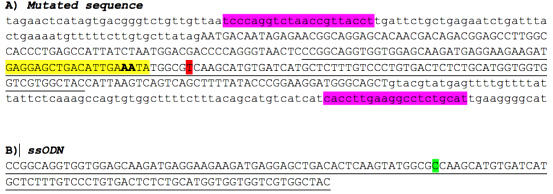
CRISPR/Cas9 was used to repair the point mutation of iPSC disease model derived from an AD patient' cells

Alzheimer's disease (AD) is a progressive and irreversible neurodegenerative disease, which can lead to degeneration of nerve cells and atrophy of brain. It is considered as the most common form of dementia. The A79V mutation of PSEN1 gene can cause Alzheimer's disease. By studying the effect of this mutation on cell phenotype, researchers can further study the pathology of this disease and develop a more effective treatment. The researchers reprogrammed the somatic cells of a patient into pluripotent stem cells (iPSCs), and then replaced the mutated gene with a wild-type sequence. By studying the disease model and the modified iPSC, the effect of the mutation on cell phenotype can be determined, so as to further study the pathological effect of the mutation.(Pires, C., et al.)

With CRISPR-UTM, iPSCwould be co-transfected with gRNA, Cas9 and donor oligo by electroporation. After the DNA DSB caused by the complex of gRNA and Cas9, iPSCs use donor oligo carrying wild-type sequence as a template for homologous recombination repair (HDR) and replace the target sequence with point mutation.


Hemophilia B can be treated by iPSC differentiated hepatocytes with AAVS1 safe harborknockin Coagulation factor IX (F9)

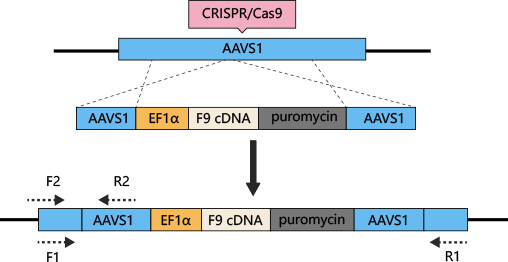
The most common method to treat hemophilia is substitution therapy, but this method has the risk of virus infection, and it is a method that needs lifelong continuous treatment. Gene therapy seems like the only way can cure hemophilia. CRISPR/Cas9 technology can be used for gene therapy of hemophilia. The mutations of coagulation factors, F8 and F9, are the main causes of hemophilia. Previous studies have shown that F9 is a more effective gene therapy target. AAVS1-Cas9-sgRNAplasmid and AAVS1-EF1α-F9 cDNA puromycin donor plasmid were constructed and transferred into iPSC. Human factor IX (hFIX) antigen activity was detected in the culture supernatant. Finally, liver cells differentiated from iPSC were transplanted into NOD/SCIDmice by spleen injection, to cure hemophilia B.(Lyu, Cuicui, et al.)

With CRISPR-UTM, iPSCwould be co-transfected with gRNA, Cas9 and donor vector by electroporation. After drug screening, single clones would be generated. Positive clones would be validated by sequencing.


iPSC induced differentiation, making "autotransplantation" possible

The study of human embryonic stem cells (hESCs) derived from early embryos has been controversial in ethics, and the rejection of differentiated cells derived from hESCs intransplantation has limited its clinical application. Hepatocytes, nerve cells, T cells, cardiomyocytes, hematopoietic stem cells and pancreatic cells can be differentiated from patients' somatic cells (such as fibroblasts) or existing iPSCs.

iPSC Differentiation Process

iPSC reprogramming: Ubigenehas optimized the reprogramming method ——>iPSC induced differentiation: continuous addition of inducing factor in iPSC medium——>Cell validation: genotype, phenotype and cell characteristic analysis

Ubigene's iPSC platform

Ubigene focuses on the optimization of iPSC reprogramming, gene editing and differentiation, and has established a set of mature experimental procedures. With CRIPSR-UTM technology, gene editing in iPSC is much accessible.

If you want to know more, pls click herehttps://www.ubigene.us/about/news/2773.html

Thursday, February 27, 2020

CRISPR gene editing technology: is more effective than RNAi and best choice for most biological research.


shRNA vs gRNA:
RNAi technology used to be popular in biological research, especially in high-throughput genetic screening, gene function study, clinical treatments for antivirus and cancers. However, the RNAi technology has been questioned because of its off-target effect. In recent years, the emerging CRISPR gene editing technology is widely used in almost every biological field. Because of its high specificity, low off-target effect and wide application prospects, CRISPR is replacing RNAi as the best choice for most research.

What RNAi might cost you?
One of the biggest limitations of the RNAi silencing method is that it suffers from High off-target effects. RNAi might silence unintended RNA targets resulting in modified phenotypes and therefore influence gene function screening experiments. There are three reasons for this high off-target effect:

· siRNA may compete with the intrinsic microRNA in RISC complex, resulting in affecting the function of microRNA and the expression regulation of other genes;
· siRNA also targeted sequences with limited complementarity;
· siRNA may interact with the 3'UTR of unintended RNA, leading to its degradation.

Other than high-off target effect, issues researchers are facing with are that:
· shRNA fails to show any reduction in protein expression level;
· No suppression but overexpression of target genes;
· Transcripts with high turnover are difficult to silence;
· Non-coding sequences are difficult to silence.
CRISPR has replaced RNAi as the best choice for most research applications:
Researchers conducted parallel experiments with shRNA libraries and CRISPR gRNA libraries, which proved that the efficiency and reliability of using gRNA libraries to screen genes was much higher than that of shRNA libraries.

In addition to high efficiency and high true positive rate, the off-target effect of CRISPR is very low. Because its specificity depends on two aspects, one is the base pairing between gRNA and target DNA, the other is that the Cas9-gRNA complex only binds to the PAM sequence in the genome. Only when these two conditions are met at the same time can Cas9 cause DSB.

Although RNAi was adopted as a gene silencing technique first, CRISPR has surpassed RNAi in popularity due to several advantages made possible by advancements that have refined CRISPR technology. The main reason for the popularity of CRISPR is it's specific yet versatile nature. At the same time, the choice remains with the user to perform knockouts, knock-ins, or knockdown experiments, making CRISPR extremely versatile.
Combine RNAi with CRISPR technology:
In some cases, CRISPR and RNAi can work with each other. For instance, it is very rare for any drug to achieve 100% inhibition of the target gene, so some scientists believe that a more rigorous and ideal experiment design is to use shRNA to validate a phenotype observed by CRISPR technology.


· Combined shRNA over CRISPR/cas9 as a methodology to detect of-target efects and a potential compensatory mechanism
· CRISPR knockout screening outperforms shRNA and CRISPRi in identifying essential genes
· Systematic comparison of CRISPR/Cas9 and RNAi screens for essential genes
· Choosing the Right Tool for the Job: RNAi, TALEN, or CRISPR

You can learn more about it if you click here
https://www.ubigene.us/about/news/523.html

Tuesday, February 25, 2020

THP-1 Knockout Cell Lines: an ideal tool for studying immunity and inflammation

CRISPR/Cas9 mediated THP-1 Disease Models

A human leukemic cell line (THP-1) cultured from the blood of a boy with acute monocytic leukemia. Since its establishment in 1980, THP-1 cells have been widely used in the research of monocyte and macrophage related mechanisms, signaling pathways, nutrient and drug transportation. The morphological and functional characteristics of THP-1 are very similar to human primary monocytes (including cell differentiation markers). Compared with human peripheral blood monocytes (PBMC), THP-1 is easier to be cultured and has a more consistent background. Therefore, THP-1 is a commonly used acute monocytic leukemia cell line in various laboratories, and it is an ideal tool for studying immunity and inflammation.


Application of THP-1: macrophage and inflammation model  
THP-1can be differentiated into M1/M2 macrophages and release corresponding cytokines.

M1 macrophage polarization:
  • THP-1 can be induced to differentiate into macrophages by Phorbol 12-myristate 13-acetate (PMA), and then M1 polarization can be induced by lipopolysaccharide (LPS) and IFN -γ, releasing TNF -α, IL-6 and other cytokines. This is a typical inflammatory model.

M2 macrophage polarization:
  • M2 polarization can be induced by IL-4, IL-13 and macrophage colony-stimulating factor (M-CSF). TGF - β, IL-10 and other inhibitory cytokines can be released. This is similar to the process of tissue repair and reconstruction in the late stage of inflammation.
Atherosclerotic inflammation model: Under the action of oxidized low-density lipoprotein (ox-LDL), macrophages can further become foam cells. This is a pathological cell in atherosclerotic plaques and is a chronic inflammation model.


The combination of THP-1 and CRISPR/Cas9 technology is helpful for the study of immune and inflammatory diseases  
THP-1 is a near-tetraploid suspension cell, and the success rate of THP-1 is very low by conventional gene-editing methods. CRISPR/Cas9 is widely used to construct gene-editing THP-1 model because of its simple, high efficiency and low toxicity.


Key genes for macrophagesclearing pathogens was found by CRISPR/Cas9 mediated gene knock-out THP-1 model   
 Phagosome acidification of macrophages is an essential step to eliminate pathogens. Phagosome acidification is closely related to the metabolism of macrophages and the transportation of nutrients. And the transportation of metabolites is closely related to solute carrier (SLC)protein. The researchers found that the bicarbonate transporter SLC4A7 in the SLC family is an essential gene for phagosome acidification of macrophages. In CRISPR/Cas9 mediated SLC4A7 knockout THP-1 cell line, the ability of phagosome acidification and killing bacteria was reduced. The acidity of the phagocyte was increased after the supplementation of SLC4A7. This indicates that SLC4A7 mediated bicarbonate driven in macrophages is essential for the maintenance of cytoplasmic pH and phagosome acidification. CRISPR-UTM can efficiently transfer gRNA and Cas9 into THP-1 cells by nucleofection. After drug screening, single clones would be generated. Positive clones would be validated by sequencing.


CRISPR/Cas9 mediated Chronic granulomatous disease (CGD) THP-1 cell line model is helpful to develop better disease treatments  
Chronic granulomatous disease (CGD) is a rare X-linked genetic disease. Due to the mutation or deficient of  CYBB gene, macrophages lack nicotinamide adenine dinucleotide phosphate (NADPH) oxidase, and cannot produce hydrogen peroxide to effectively kill the invading microorganisms. This usually leads to serious repeated infections caused by bacteria, fungi and other microorganisms. Some researchers used CRISPR/Cas9 technology to knockout  CYBB gene and generate point mutation c.90c>G (found in a CGD patient) in THP-1 cells, and successfully constructed the CGD model. Compared with wild-type THP-1 cells, two KO clones (#3 and #27) and a point mutation clone (#2, c.90c > G) showed decrease in H2O2 level after PMA and LPS induction, and a significant increase in IL-1β, TNF-α and IL-6 release, which was consistent with the behavior of macrophages in CGD. This CGD model provides a powerful tool for disease study and will help to develop better treatments.

By using CRISPR-UTM,THP-1 cell line would be efficiently co-transfected with gRNA, Cas9 and ssODN. After drug screening, single clones would be generated. Positive clones would be validated by sequencing.


The signal pathway of intracellular antiviral response was confirmed by the THP-1 Cell Models of gene knock-out and knock-in.  
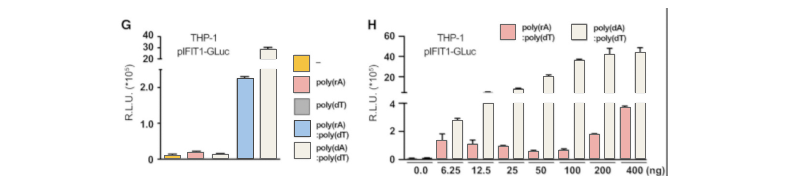
The abnormal location of DNA in the cytoplasm is usually related to virus infection or tumor. The cGAS-cGAMP-STING pathway can detect the existence of cytosolic dsDNA, and induce a strong immune response, producing interferon and activating other immune response genes. RIG1-MAVS can detect pppRNA (dsRNA, the genome of some viruses) in cytoplasm and induce immune response. Sometimes there is a complex of RNA and DNA in the cytoplasm, which usually occurs in the case of some virus infection. In order to study which pathway that the RNA-DNA complex activates the immune response, the researchers generatedMAVS, cGAS, STING knockout THP-1 cell lines, and introduced dsDNA, ppRNA and RNA-DNA complex into the cells respectively. It was found that the RNA-DNA complex is activated by the cGAS-cGAMP-STING pathway.


Then, the researchers used CRISPR/Cas9 technology to insert2A-GLuc into the IFIT1 gene. IFIT1 is a typical interferon activated gene. Subsequent experiments showed that after the introduction of RNA-DNA complex, the expression of Gluc was driven by the activation of IFIT1 promoter due to the expression of interferon. These results further proved that the RNA-DNA complex in the cytoplasm activated the immune response through the cGAS-cGAMP-STING pathway. By using CRISPR-UTM,THP-1 cell line would be co-transfected with gRNA, Cas9 and donor vector. After drug screening, single clones would be generated. Positive clones would be validated by sequencing.


CRISPR-U™ efficiently modify genes in THP-1 cell line

CRISPR-U™, developed by Ubigene, is more efficient than general CRISPR/Cas9 in double-strand breaking, and CRISPR-U™ can greatly improve the efficiency of homologous recombination, easily achieve knockout (KO), point mutation (PM) and knockin (KI). Ubigene can customize the gene-editing THP-1 cell line and other monocytes that you are interested in. We can also help you to generate various genes overexpression in THP-1 cell line.


References:  
[1]Tsuchiya S, Yamabe M, Yamaguchi Y, et al. Establishment and characterization of a human acute monocytic leukemia cell line (THP‐1)[J]. International journal of cancer, 1980, 26(2): 171-176.  
[2] Chanput W, Mes J J, Wichers H J. THP-1 cell line: an in vitro cell model for immune modulation approach[J]. International immunopharmacology, 2014, 23(1): 37-45.  
[3] Sedlyarov V, Eichner R, Girardi E, et al. The bicarbonate transporter SLC4A7 plays a key role in macrophage phagosome acidification[J]. Cell host & microbe, 2018, 23(6): 766-774. e5.  
[4] Benyoucef A, Marchitto L, Touzot F. CRISPR gene-engineered CYBBko THP-1 cell lines highlight the crucial role of NADPH-induced reactive oxygen species for regulating inflammasome activation[J]. Journal of Allergy and Clinical Immunology, 2020.  
[5] Mankan A K, Schmidt T, Chauhan D, et al. Cytosolic RNA: DNA hybrids activate the cGAS–STING axis[J]. The EMBO journal, 2014, 33(24): 2937-2946.


If you're interested in this, you can click here https://www.ubigene.us/

    Sunday, February 23, 2020

    Knockout Cell Lines: HEK293,Hela,HCT116,A549,CHO and more


    Blessing 2020! Your experiments, Ubigene cares


    2020 is a challenging year. Even though a lot of things are unexpected, our efficient and affordable genome-editing services are always excepted.


    CRISPR-U™ Knockout Cell Line

    10X: Exclusive innovation, 10 times more efficient in gene-editing.
    100 types: Successfully edit genes on more than 100 types of cell lines.
    Versatility: Easily generate knockout (KO), point mutation (PM) and knockin (KI) in vitro and in vivo.
    NO risk: CRISPR-U™ offers a 100% mutation guarantee. No mutation, no charge!

    Tuesday, January 14, 2020

    Single-Cell Cloning is NOT a Challenge Anymore

    Single-cell cloning has gained increasing importance as CRISPR/cas9 genome editing technique has entered routine laboratory practice. However, the success of positive single-cell cloning is technically challenging. The long growing time and the extremely low efficiency of obtaining a positive single-cell clone are the major challenges. The rate of single-cell clone formation may be affected by many factors; two of which are particularly important, one is the survival rate of inoculated cells, and the other is the cell proliferation ability.

    1 How to improve the survival rate of inoculated cells?
    1) Maintain a stable pH
    Most of the cell culture media are formulated with CO2 carbonate buffer which is suitable for the partial pressure of CO2 in incubators. However, when this buffer is in atmospheric conditions, carbon dioxide will evaporate from the medium, which will cause the pH of the medium to rise to the alkaline range (in the medium containing phenol red, the color will become more purple). This will significantly affect the viability of cells. Therefore, the HEPES buffer system can be used instead of the CO2 carbonate system. It is a better and safer choice.
    2) Keep everything at the right temperature
    Before digesting and plating cells to 96-well plate, the culture medium, trypsin and PBS should be warmed up to 37 , to keep cells under a relatively stable condition.
    3) For some sensitive or fragile cell lines, the number of inoculated cells can be increased correspondingly, for example, from 50 cells per 96-well plate to 80 cells per plate.

    2 How to improve the proliferation of cells?
    1) Passage appropriately
    Cells were inoculated with limit dilution and cultured to form microcolonies ( 50-100 cells). Transfer a microcolony to a fresh well of a 96-well plate. When the cells in the new well grow to 80% confluence, the cells are transferred to a well of a 48-well plate. Allow the cells to proliferate until a sufficient number of cells can be harvested for validation.
    2)Adding supplements
    The universal factors that are required in nearly all cell lines, which have been identified in the literature include insulin, transferrin, and selenium. For certain cell lines, Ethanolamine may also be critical and, in some cases, attachment factors such as fibronectin, laminin, vitronectin, and growth factors may be beneficial.

    Start your year off right by only $2020 onCRISPR cell lines, as fast as 6 weeks

    Ubigene Biosciences has rich experience in gene editing. Through continuous testing and exploration, we have built up a set of unique experimental methods and processes, which can achieve the efficiency of single-cell clone formation 3-5 times faster than the traditional ways. Combined with our CRISPR-UTM, the positive rate is greatly improved!


    x

    [Research highlight] Enhancing p53 pathway can efficiently suppress colon cancer

      Colorectal cancer is the third most diagnosed cancer and leads to the second mortality among cancers worldwide. The first-line chemotherap...